The Dirty Dozen Unpacked: Essential Hangar Talk
Going Around The Room
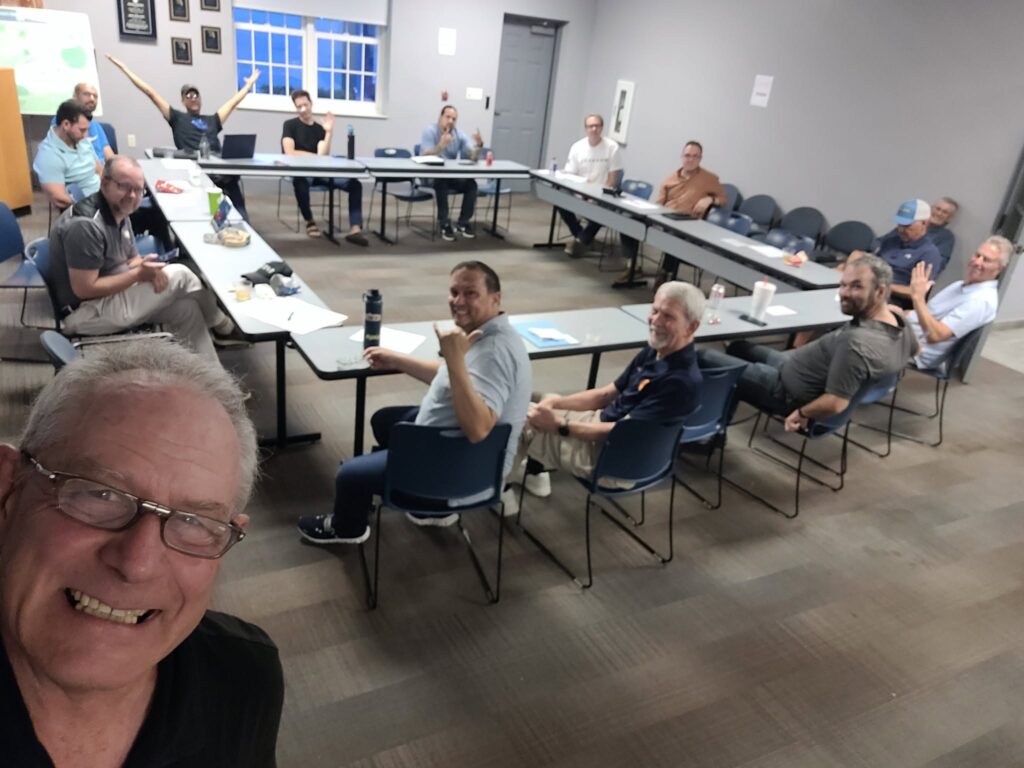
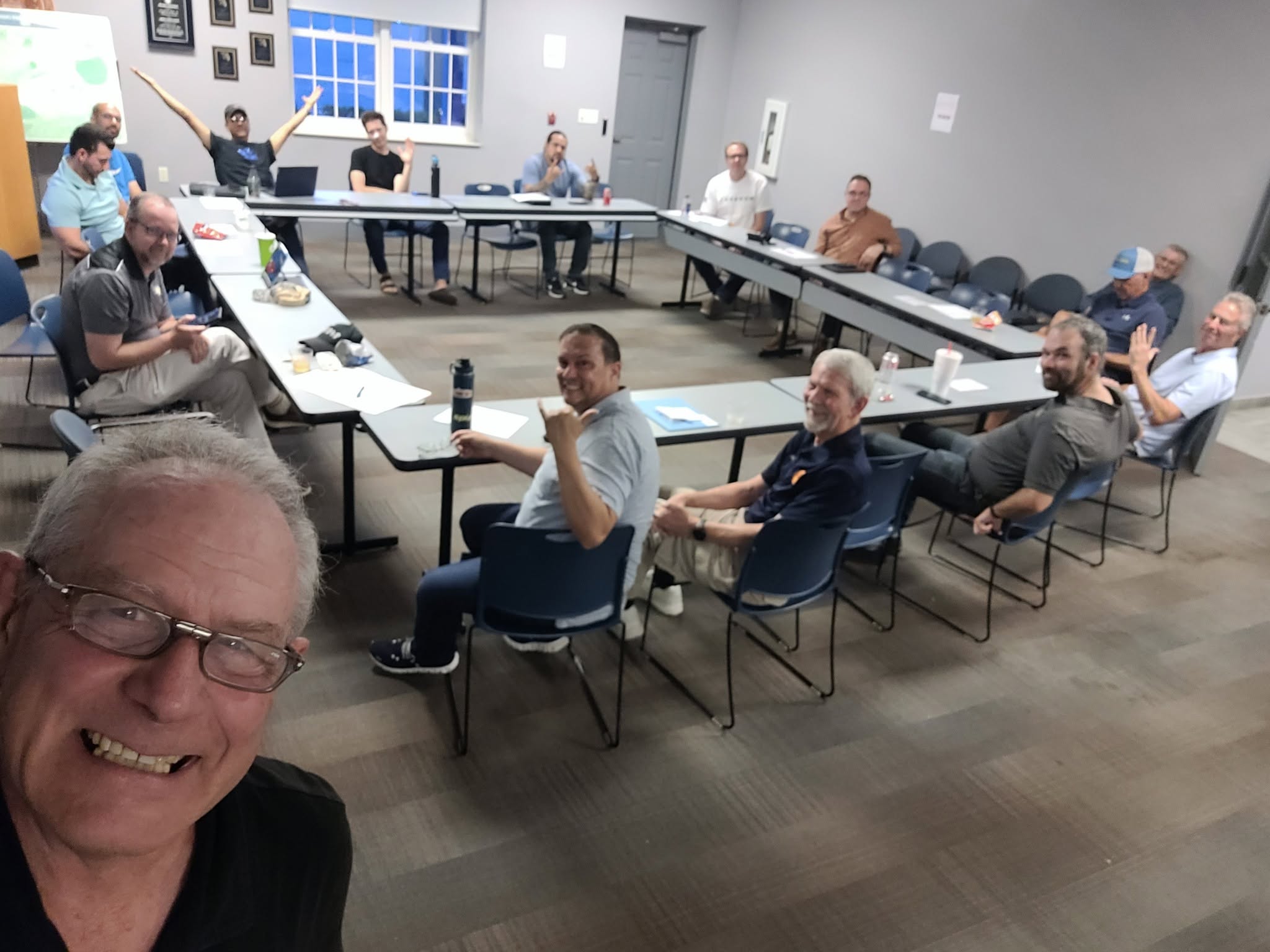
On September 2nd, we sat down for a safety seminar and talked about The Dirty Dozen.
The Dirty Dozen is comprised of twelve human factors that can turn a perfectly good flight into a “you’re going to write that up” flight:
- Lack of Communication
- Complacency
- Lack of Knowledge
- Distraction
- Lack of Teamwork
- Fatigue
- Lack of Resources
- Pressure
- Lack of Assertiveness
- Stress
- Lack of Awareness
- Norms
The format was Hangar Talk Standard. Go around the room. Say your name. Tell us where you are in your aviation journey. Then pick the one that hit home and tell us why.
Here’s what came out.
Jay Lugo went first. Fatigue. He kept coming back to it. Not the “I stayed up too long” kind — the structural kind. The kind that creeps in when your body is telling you to stop and your job is telling you to go.
Obie Young took a different angle. He said people not following flight standards was the root of all twelve. Which, honestly? Fair. If you skip the checklist, you’re just playing a different version of the same game where the outcome is “aircraft on the ground for a reason nobody wants to explain.”
Ryan Binns picked Pressure. His version: traveling with his wife, child, and dog. (Yes, the dog. Yes, that’s a real thing.) The pressure of “everyone’s watching, everyone’s depending on you to get them there safely” is a different animal than the pressure of a passenger who’s already three drinks in.
Rich Boney had the longest story of the night. He was taxiing at night in a Piper Traumahawk with a malfunctioning taxi light. The ground controller directed him into a barricade. The aircraft took damage. He linked it to lack of communication — but also to the fact that when your equipment has failed, the whole system is one bad radio call away from a write-up.
Lou Nieves is a newly certificated Sea Plane CFI. He said he’s always on alert for complacency. When you’re new, complacency is a luxury you can’t afford. You’re still learning what the water does to your approach. You’re still learning what the aircraft does when you get the flare wrong over chop. Complacency in a seaplane isn’t just an attitude problem — it’s a buoyancy problem.
Paul Crotty talked about being the experienced pilot paired with an FO who wasn’t. The extra pressure to perform when you know the other person in the right seat might not catch what you miss. That’s a lonely kind of pressure. Nobody warns you about it in training.
Scott Goodyear kept it simple: stress causes pressure, and it affects everyone. No story. No drama. Just the truth.
Troy Wolbrink said lack of knowledge causes him stress, and he wants to get better at go/no-go decisions. Many considered it the most honest and compelling thing said in the room, because the moment you stop knowing enough to make a clean go/no-go call, you’re not making a decision anymore — you’re making a guess and calling it a decision.
Josh Agusto found himself complacent, which led to lack of awareness. Two of the twelve, chained together. Complacency is the door. Lack of awareness is what walks in when you leave it open.
Michael Hale — complacency. Same theme. Different person. Same problem.
Charlie Ferrer picked distraction. Also mentioned instructors yelling at him. (Not a pleasant experience for any of us.)
Mike O’Leary is an airline pilot doing the same routes over and over. He said complacency was ALWAYS an issue. And you know what? He’s right. The fourth time you fly the same approach, your brain starts to file it under “routine” instead of “task.” And that’s exactly when you stop looking for the thing that’s different this time.
Neil Narwani said lack of knowledge and experience affects his go/no-go decision making. Same territory as Troy. Different words. Same anxiety.
Michael Mileham said he always feels pressured to GO. Not to stop. Not to wait. To go. And that’s the one that worries me. Because “go” is the easy word. It’s the word that gets you off the ground, out the door, into the traffic pattern. “No-go” is the word that costs you money, time, and sometimes a passenger’s patience. But it’s the word that keeps you in one piece.
Chris Schmidt — pressure from management. Short. Clean. No elaboration needed.
John Tenney summed up with a story of his own that centered on …
Fatigue.
Every single “scary situation” He’d been in, fatigue was in the room. Not always the cause. Not always the first domino. But it was there. In the background. Eating at his judgment like a quiet, patient thing that doesn’t announce itself until you’re already in the part of the story where you’re trying to remember what the last step was.
Summary
The Dirty Dozen isn’t a list you memorize and forget. It’s a list you live. And the reason we sit in a room and say “hey, this one’s mine” out loud is because the moment you name it, you can’t un-name it. You can’t go back to pretending it’s not there.
Complacency is the quiet one. Fatigue is the patient one. Pressure is the loud one. But they all do the same thing: they make you less than the pilot you were when you walked into the room that morning.
The fix isn’t a poster. The fix is the conversation. The one where Rich says “my taxi light was out” and everyone in the room goes quiet for a second because they’re all thinking about the last time their equipment lied to them.
That’s the beauty of Hangar Talk. The fixes come from the combined experience and knowledge of the room.